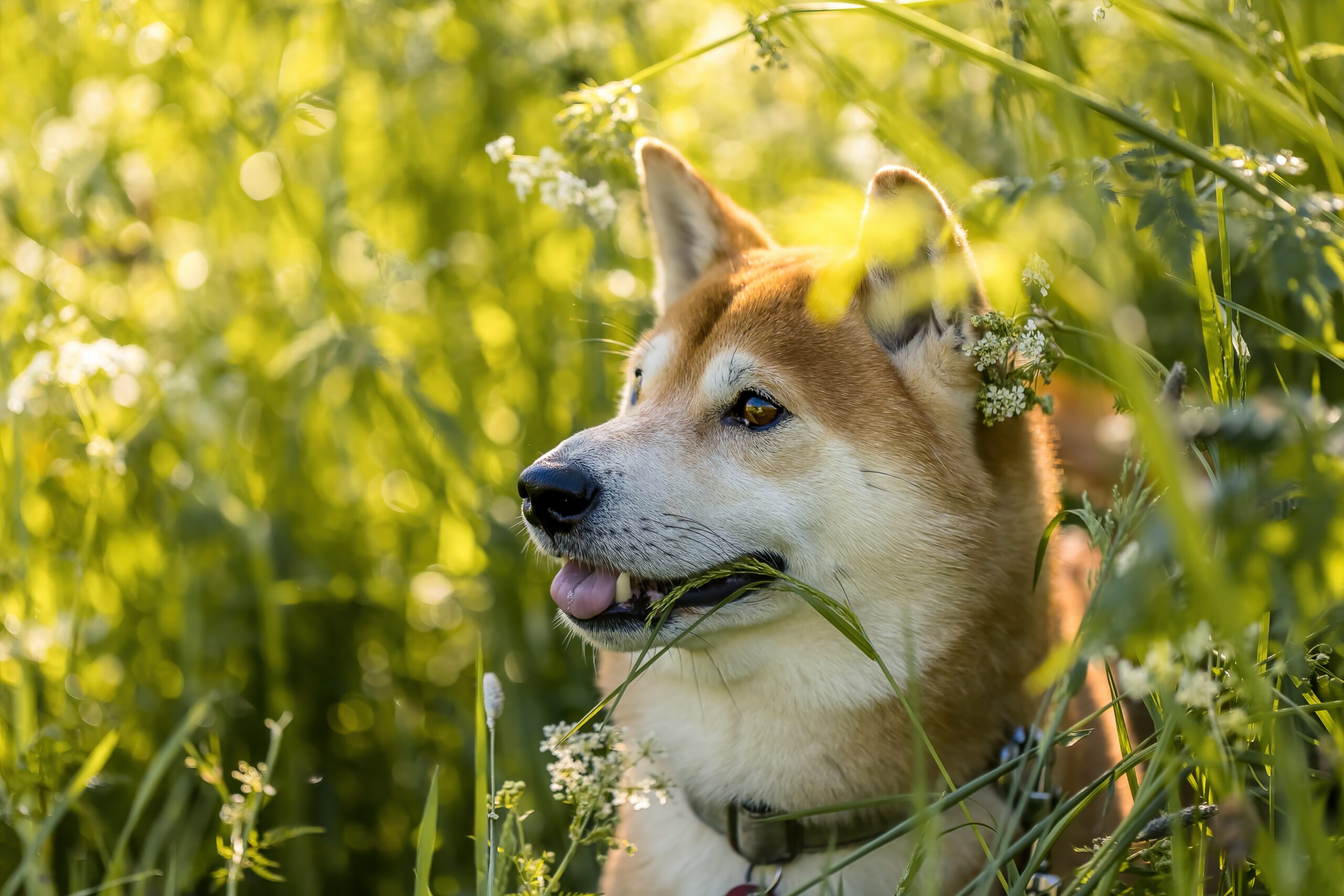
It is a scenario almost every dog owner has experienced: you let your dog out into the backyard, and instead of chasing a ball, they immediately start grazing on the lawn. Moments later, they are hacking, wheezing, and vomiting green foam all over your living room carpet.
Watching this behavior can be highly alarming. You might wonder if your furry best friend is suffering from a dangerous illness, a severe nutritional deficiency, or if the grass itself is making them sick.
Fortunately, grass-eating (known scientifically as pica—the consumption of non-food items) is incredibly common canine behavior. To help you understand what is happening inside your pet’s stomach, this guide breaks down the biological reasons behind this habit, the hidden environmental dangers of lawns, and exactly when you need to call a veterinarian.
The Top 4 Reasons Why Your Dog is Grazing
Veterinary behaviorists and animal researchers have studied this exact phenomenon for decades. The consensus shows that dogs eat grass for a variety of physical and psychological reasons:
- Natural Gastrointestinal Relief (The Self-Medication Theory)
The most common belief among pet owners is that dogs eat grass to force themselves to vomit when they have an upset stomach. If a dog swallows something that expands or causes gas, their instinct tells them to find a quick remedy. The long, coarse blades of grass tickle the lining of the dog’s throat and stomach walls. This tickling sensation triggers a natural gag reflex, helping the dog expel whatever was causing them internal discomfort in the first place. - Dietary Deficiencies and a Need for Fiber
Modern commercial dog kibble is highly processed. If your dog’s daily diet lacks essential roughage, vitamins, or live enzymes, they will instinctively seek out alternative sources. Grass is an abundant source of fiber, which helps dogs digest their food smoothly, pass stool cleanly, and keep their gastrointestinal tracts running efficiently. - Evolutionary Instincts from Wild Ancestors
Before dogs were domesticated into companion animals, wolves and wild canines hunted for their meals. When a wild dog catches prey, they eat the entire animal—including the stomach contents, which are typically full of digested plants, berries, and grass. Eating fresh greenery is simply hardwired directly into your dog’s ancestral DNA. - Total Boredom or Attention-Seeking Habits
Sometimes, the answer isn’t medical at all. If a dog is left alone in a backyard for hours with no mental enrichment toys, they will chew on grass simply to pass the time. Additionally, if they realize that eating grass causes you to run outside, panic, and give them attention, they will repeat the action just to keep you interacting with them.
The Real Danger: It’s Not the Grass, It’s the Chemicals
In most cases, the physical act of eating a few clean blades of grass will not harm your dog. However, suburban lawns and neighborhood parks are rarely just plain grass. The hidden environmental hazards present the real threat:
- Toxic Pesticides and Herbicides: Chemical lawn fertilizers, weed killers, and bug sprays are highly toxic to animals. If your dog eats grass that was recently treated with these chemicals, they can experience severe chemical poisoning, leading to intense drooling, tremors, and organ distress.
- Intestinal Parasites: Muddy grass is a breeding ground for microscopic parasites like hookworms, roundworms, and whipworms. When foreign animals or stray cats pass through your yard and leave behind feces, the parasite eggs seep directly into the surrounding soil and grass blades, waiting for your dog to ingest them.
- Dangerous Slugs and Snails: Slugs and snails love crawling over damp morning grass. If your dog accidentally swallows a small slug while eating grass, they are at an incredibly high risk of contracting Lungworm, a dangerous parasite that migrates directly into a dog’s heart and lungs, causing severe respiratory failure.
When is It an Emergency? (Quick Reference Checklist)
Use this quick visual guide to determine if your dog’s grazing habit is normal or requires an emergency trip to the local animal hospital:
| Normal Grazing Behavior | Dangerous Warning Signs |
|---|---|
| Nibbling a few pieces of grass occasionally. | Eating grass frantically and obsessively every day. |
| Vomiting once, then instantly returning to normal energy. | Vomiting multiple times within a few hours. |
| Normal, solid stool and healthy daily appetite. | Lethargy, pale gums, bloody diarrhea, or refusal to eat. |
| Playing, alert, and interacting happily with you. | Hunched back, whining in pain, or a bloated, hard stomach. |
How to Safely Manage and Stop the Behavior
If your dog is healthy but you want to protect your carpets and prevent them from eating lawn debris, apply these simple management routines:
- Upgrade Their Fiber Intake: Talk to your vet about switching your dog to a high-fiber kibble or adding a spoonful of plain, unsweetened canned pumpkin directly into their food bowl every morning to satisfy their craving for roughage.
- Increase Mental Exercise: Do not leave your dog alone in the yard to get bored. Provide interactive food puzzle toys, durable lick mats, or chew toys to keep their mouth and brain occupied while outside.
- Grow a Safe Indoor Pet Grass Kit: If your dog genuinely loves the taste of fresh greens, purchase an organic, pesticide-free wheatgrass growing kit designed specifically for pets. Keep it inside your home so they can graze safely without chemical or parasite exposure.