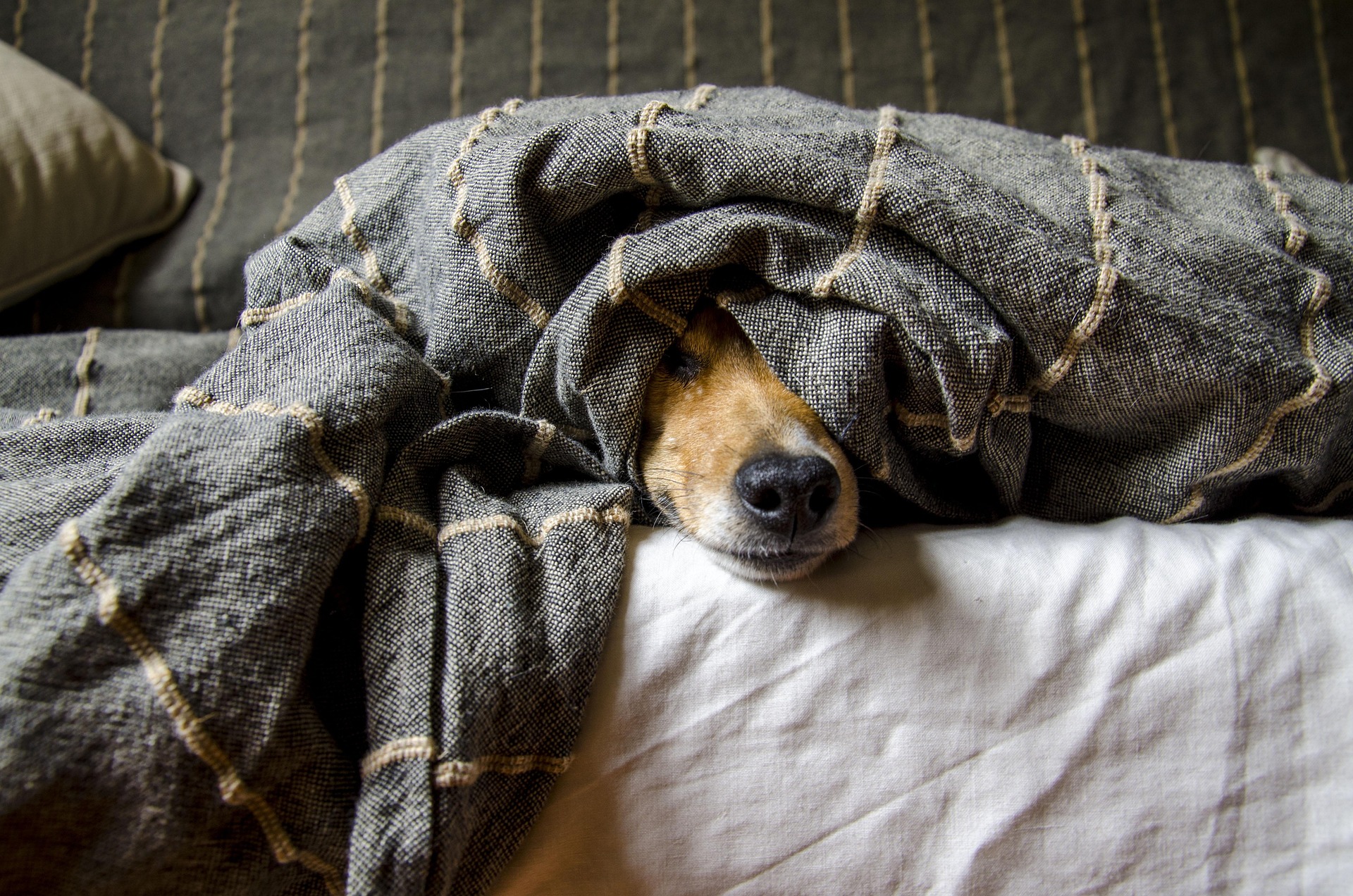
It is a deeply alarming and terrifying experience for any pet parent: you are sitting in a quiet room when your dog suddenly stands up, tenses their neck muscles, arches their back, and begins producing a series of violent, loud, snorting gasps. Each rapid inhalation sounds exactly like a horn honking or like your dog is violently choking on a massive hidden object. Their eyes might roll back slightly or wide with panic while their chest pumps up and down erratically. Watching your beloved companion struggle to catch their breath can make you feel completely panicked and helpless. You might instantly worry that your dog is suffering from a sudden fatal asthma attack, a dangerous tracheal collapse, a severe cardiac complication, or that they are actively suffocating due to a lack of oxygen. Fortunately, while any sudden breathing spasm requires your immediate attention and careful evaluation, backward sneezing is a highly common, harmless aspect of standard canine physiology. Because a dog’s upper respiratory system and throat tissues are incredibly sensitive, learning to understand the mechanics behind these involuntary spasms is the secret to protecting your peace of mind. This guide breaks down the real biological reasons behind canine reverse sneezing, how everyday environmental irritants trigger soft palate muscle spasms, and exactly how to soothe your dog safely at home.
The Top 4 Practical Reasons for Canine Backward Sneezing
Veterinary respiratory specialists and emergency medical professionals identify several key physical and environmental factors that cause a dog’s throat tissues to spasm:
- Elongated and Irritated Soft Palate Tissues: By far the most common cause of sudden backward sneezing in healthy adult dogs is a minor anatomical irritation of the soft palate, which is the flexible tissue flap located at the very back of the roof of the mouth that seals off the nasal passages during swallowing. In the canine world, this tissue can occasionally sag, slide out of place, or become temporarily inflamed. When a dog takes a rapid breath, the loose soft palate tissue can get sucked backward and flatten against the opening of the windpipe, completely blocking their airflow for a split second. This physical restriction irritates the local throat lining, triggering an immediate series of involuntary muscular spasms as the body tries to forcefully suck air in reverse to reposition the tissue flap safely.
- Inhaling Microscopic Airborne Allergens and Environmental Dust: Just like humans experience standard explosive forward sneezes when inhaling dust, dogs use the upper respiratory system to filter out impurities. When your dog sniffs closely along dust-filled carpets, fresh spring grass, or outdoor soil, their open nostrils act like a direct vacuum for environmental allergens like tree pollen, mold spores, strong perfumes, chemical household cleaning sprays, and cigarette smoke. As these microscopic particles travel through the upper respiratory tract, they scratch and inflame the sensitive mucous membranes lining the back of the nasopharynx. The system responds by entering a protective, rapid reverse-breathing sequence to generate immediate kinetic pressure to dislodge the burning allergens from the deep throat lining.
- Rapid Eating, Drinking, and Swallowing Fluid Pockets: Many dogs possess an intense predatory drive to consume food and water quickly, meaning they will frequently inhale their dry kibble or lap up fluids from their bowl at lightning speed. This rapid gulping action can easily cause a tiny droplet of water or a small piece of dry food dust to accidentally splash upward into the back of their throat cavities instead of going down their esophagus. The highly sensitive throat nerves mistake this stray fluid pocket for a dangerous respiratory obstruction, locking the throat muscles into a temporary cycle of repetitive, sharp backward sneezes to prevent the foreign liquid from dripping down into their lungs.
- Sudden Physical Leash Pulling and Collar Pressure: Sometimes, the root cause of backward sneezing is purely mechanical rather than a medical illness. A dog’s neck houses a fragile network of cartilage rings and sensitive breathing nerves. If your dog wears a traditional flat collar and launches forward suddenly to chase a squirrel, or if you pull the leash tightly during a walk, the nylon band applies sharp, crushing force directly against their throat. This sudden external compression bruises the windpipe lining and irritates the adjacent breathing nerves, forcing an immediate backward sneezing fit that can continue long after the walk has ended.
How to Safely Assess and Manage a Backward Sneezing Dog
To help your dog find immediate relief from a stubborn bout of throat spasms, you must handle the situation calmly and avoid applying dangerous human scare tactics:
- Utilize the Dual-Action Swallow Reflex Fix: If your dog’s reverse sneezing fit continues for more than a minute, you can safely interrupt the throat muscle spasm by forcing them to execute a standard swallowing motion. Gently place your hand over your dog’s snout to hold their mouth closed for two seconds while using the tip of your thumb to completely cover both of their nostrils. At the same time, use your other hand to gently stroke the front of their throat in downward motions. Because a dog cannot breathe through their nose while it is covered, their brain will automatically trigger a powerful, involuntary swallowing reflex to clear the airway. The moment they swallow, the trapped soft palate tissue resets to its normal position, stopping the horn-like honking sound instantly.
- Massage the Throat and Blow a Gentle Puff: If your dog becomes highly anxious when their nose is touched, you can utilize an alternative, low-stress sensory redirection method. Sit on the floor next to your dog, rub the area directly underneath their chin and jawline in smooth, circular motions, and blow a tiny, gentle puff of air directly toward their nose. The cool air blast and the soothing physical touch cause the dog to blink rapidly, open their mouth to lick their nose, and take a deep, normal breath, which calms their overstimulated nervous system and helps the throat contractions fade away naturally.
- Transition to a Safe Walking Harness: If your dog consistently bursts into a heavy fit of backward sneezing immediately following an outdoor walk or whenever they pull on the leash, you must completely remove all physical pressure from their neck. Swap out their traditional flat collar for a supportive, chest-clip walking harness that distributes any pulling forces evenly across their tough breastbone and shoulders, keeping their windpipe completely free of restriction.
- When to Seek Emergency Veterinary Care: Monitor your dog’s physical behavior closely during a spasm fit to evaluate the true urgency of the situation. A standard bout of canine backward sneezing is completely benign and will fade away on its own terms within thirty seconds to two minutes, leaving the dog completely happy, alert, and active with healthy pink gums. However, if your dog’s reverse sneezing continues non-stop for several consecutive hours, if they are losing consciousness from a lack of oxygen, or if the honking sounds are accompanied by thick yellow nasal discharge, bloody nose leaks, chronic coughing fits, or pale white gums, your pet is experiencing an underlying medical emergency like a trapped blade of grass, nasal mites, or a collapsing trachea and requires an immediate emergency veterinary diagnostic check.
© 2026 bffpup. All Rights Reserved.
Disclaimer: The information on bffpup is for educational and entertainment purposes only. We are not veterinarians, animal behaviorists, or licensed pet medical professionals. The content on this site is not a substitute for professional veterinary advice, diagnosis, or immediate clinical treatment. Frequent, short-lived backward sneezing is a normal aspect of canine anatomy, but chronic, unyielding respiratory spasms accompanied by nasal bleeding, coughing up fluid, or extreme physical weakness point to advanced internal complications that require professional imaging and stabilization. bffpup will not be held responsible or liable for any actions taken based on the information provided in our articles. Always consult a qualified veterinarian regarding the specific physical health, respiratory safety, or medical needs of your canine companion.