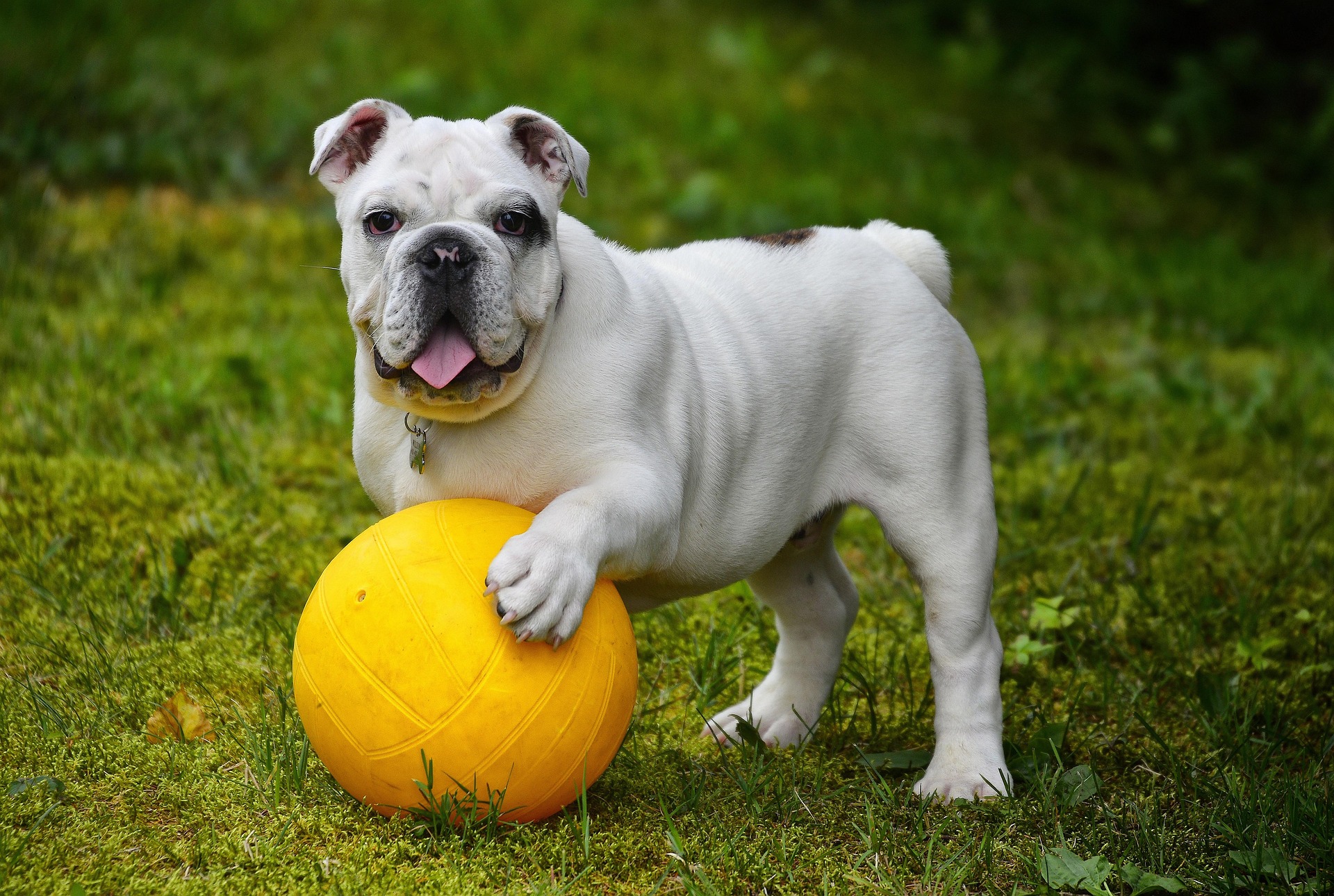
It is a deeply alarming and stressful moment for any pet parent: you recently brought your dog or puppy home from a routine veterinary appointment for their annual booster shots, and a few days later, you feel a hard, firm, marble-sized lump directly underneath their skin. The knot sits exactly between their shoulder blades or on their hind leg where the veterinary nurse administered the needle. Touching the bump might cause your dog to flinch, or it might not seem to bother them at all. Watching a mysterious growth appear so suddenly can make you feel completely panicked and helpless. You might instantly worry that your pet has developed a malignant, rapid-growing cancer tumor, a dangerous deep tissue abscess, or that the needle permanently damaged their muscle fibers. Fortunately, while any foreign skin lump requires your careful observation, a localized post-injection knot is an incredibly common, safe biological response triggered by a dog’s active immune system. Because a canine’s body is hardwired to identify and process foreign substances aggressively, learning to decode these lumps is the secret to protecting your pet’s wellness. This guide breaks down the real scientific reasons behind post-injection lumps, the hidden medication mechanics that cause fluid knots, and exactly how to tell the difference between a normal healing reaction and a true medical emergency.
The Top 4 Practical Reasons for Post-Injection Lumps
Veterinary immunologists and emergency medical professionals identify several key physical and biological factors that cause a firm knot to form beneath a dog’s skin after a shot:
- Active Immune System Stimulation and Adjuvant Rejection: By far the most common cause of a post-vaccine lump is a perfectly healthy, active immune response. Many standard canine vaccines contain specialized ingredients called adjuvants, which are safe chemical compounds designed to deliberately keep the vaccine fluid localized in one spot for a few weeks. The adjuvant forces the dog’s white blood cells to rush to the area and swarm the foreign material, which ensures their immune system stays active long enough to build strong, lifelong antibodies against the target virus. This massive cellular traffic jam naturally creates a hard, firm, unmoving lump of tissue that takes time to dissolve.
- Localized Inflammation and Tissue Serum Pockets: The physical act of a needle piercing through the protective layers of the skin into the subcutaneous fat or muscle tissue causes micro-trauma. If a puppy or dog flinches, wiggles, or tenses their muscles during the injection, the needle can scratch internal fibers or cause minor bleeding under the skin. The body responds by leaking a clear fluid called serum into the damaged pocket to soothe the area, creating a localized fluid bump known as a seroma. This swelling acts exactly like a internal blister, puffing up the skin for several days until the body absorbs the excess fluid safely.
- Slow Absorption of Thick Non-Water Medications: Not all veterinary injections are thin, watery fluids that disappear into the bloodstream instantly. Many routine medications—such as long-acting microchip capsules, thick oily antibiotics, time-release allergy treatments, or sub-dermal flea preventatives—possess a heavy, viscous consistency. When a large volume of this thick fluid is squeezed underneath the skin, it forms a literal physical puddle in the tissue. Because the local blood vessels can only absorb a tiny amount of this heavy medication at a time, the physical fluid bubble will sit under the skin as a hard knot for weeks until it slowly breaks down and enters the system.
- Active Injection Site Abscess and Bacterial Contamination: Sometimes, a post-injection lump is caused by a localized bacterial complication rather than a clean healing phase. If the dog’s skin had invisible dirt or bacteria on the surface when the needle pushed through, or if the dog licks and chews at the injection site continuously afterward, foreign bacteria can enter the deep tissue layer. The body will trap this infection inside a thick wall of white blood cells, creating a painful, hot, pus-filled pocket known as a deep tissue abscess. An abscess will grow rapidly, feel intensely hot to the touch, and cause your dog significant pain.
How to Safely Assess and Monitor Your Dog’s Post-Injection Lump
To protect your dog’s skin and ensure the localized inflammation heals smoothly, you must handle the area gently using this systematic approach:
- Apply the Universally Documented 3-2-1 Safety Check Rule: Veterinary oncologists utilize a strict timeline method to monitor post-injection lumps and rule out rare vaccine-associated sarcomas. First, check if the lump stays active for more than three weeks after the date of the injection. Second, measure the lump to see if it grows larger than two centimeters in width. Third, track if the lump continues to get progressively larger one month after appearing. If the lump follows any of these timelines, it requires an official veterinary needle biopsy, but if it naturally starts shrinking and softening within two weeks, it is completely safe and benign.
- Utilize the Gentle Warm Compress Routine: If the lump appears within forty-eight hours of the vet visit and feels slightly tender, you can safely accelerate the healing process by increasing localized blood circulation. Soak a clean washcloth in warm water, wring out the excess moisture completely, and hold the warm fabric firmly against your dog’s skin lump for ten minutes twice a day. The soothing heat widens local blood vessels, allowing the body to absorb the trapped medication puddle and clear away baseline cellular inflammation significantly faster. Never use hot water, as you can easily scald a dog’s sensitive skin tissue.
- Keep the Pet Completely Clean and Distracted: Ensure your dog does not scratch at, chew, or rub the injection site against household rugs, as physical friction introduces surface bacteria into the healing puncture hole, turning a safe seroma into a dangerous bacterial abscess. If you notice your dog constantly trying to reach the area with their mouth, place a lightweight protective recovery collar around their neck for forty-eight hours until the skin closing process is fully complete.
- When to Seek Urgent Veterinary Care: Monitor your dog’s overall physical comfort to evaluate the true urgency of the lump. A normal, safe post-injection knot will feel firm like a marble, remain small, and slowly shrink away to nothing over a three-week period while your dog remains completely happy, energetic, and hungry. However, if the lump starts growing rapidly overnight, becomes soft and squishy like a balloon filled with water, oozes thick yellow pus or blood, or if the area becomes so hot and painful that your dog whines when you approach it, they have developed an active deep tissue infection or sterile abscess that requires urgent veterinary drainage and prescription antibiotics.
© 2026 bffpup. All Rights Reserved.
Disclaimer: The information on bffpup is for educational and entertainment purposes only. We are not veterinarians, veterinary immunologists, or licensed pet medical professionals. The content on this site is not a substitute for professional veterinary advice, diagnosis, or immediate clinical treatment. While localized post-injection swelling is common and benign, chronic non-healing masses, skin necrosis, or lumps that follow the warning timelines require an official professional diagnostic tissue biopsy to rule out advanced sarcomas or deep muscle damage. bffpup will not be held responsible or liable for any illnesses, setbacks, or actions taken based on the information provided in our articles. Always consult a qualified veterinarian regarding the specific physical health, injection safety, or medical needs of your canine companion.