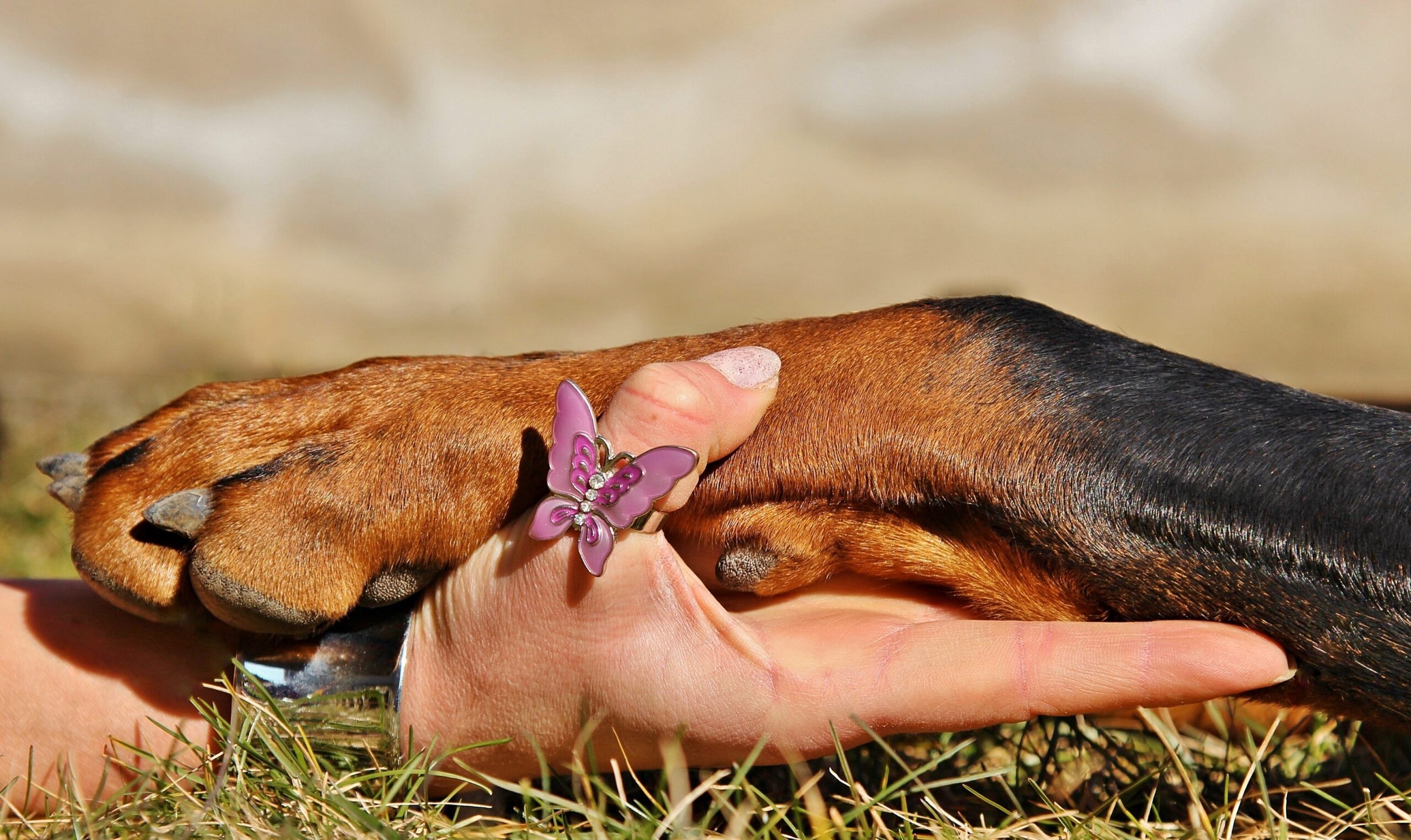
It is a common habit that drives many dog owners completely crazy: you are sitting in a quiet living room trying to watch television or read a book, and all you can hear is the constant, wet, rhythmic sound of your dog licking their paws. You look over, and their front feet are completely damp. If you try to pull their paw away, they wait two seconds and go right back to licking.
Over time, you might notice that the fur on their paws has started to turn a strange rusty-brown color, or that the skin between their toes is bright red, inflamed, and raw.
While occasional grooming is perfectly normal, chronic, obsessive paw licking is a major red flag that something is bothering your dog. Animals do not possess hands to scratch themselves, so they use their tongues and teeth to soothe irritated skin. This guide breaks down the real medical and behavioral reasons behind paw chewing, why the problem worsens over time, and how to help your pet find relief.
The Top 4 Reasons Why Your Dog is Licking and Chewing Their Paws
Veterinary dermatologists identify four primary culprits behind this obsessive self-grooming behavior:
- Environmental and Seasonal Allergies (Atopy)
Just like humans get runny eyes and stuffy noses from spring pollen, dogs experience allergies through their skin, particularly on their paws, bellies, and ears. When your dog walks through grass, their paws act like a magnet for environmental allergens like tree pollen, mold spores, lawn chemicals, and dust mites. These microscopic particles trap themselves between the toes, triggering an intense, burning itch. The dog licks frantically to try and wash the allergens away, but the added moisture only makes the skin more inflamed. - Secondary Yeast and Bacterial Infections
A dog’s paws naturally play host to low levels of healthy bacteria and fungi. However, when a dog starts licking their paws due to minor allergies, they create a warm, dark, and highly humid environment between their toes. This constant moisture causes the natural yeast population to explode out of control. A classic sign of a secondary yeast infection is a strong, distinct odor coming from your dog’s feet that smells exactly like corn chips or stale popcorn. This infection causes severe itching, trapping the dog in a vicious cycle of more licking. - Hidden Physical Pain or Injuries
If your dog suddenly starts focusing obsessively on just one single paw instead of all four, the issue is almost always a localized physical injury. Dogs will lick an area to increase blood flow and soothe pain. Check the foot closely for hidden hazards, such as a sharp thorn wedged in the webbed skin, a torn or cracked toenail, a blistered paw pad from walking on hot summer asphalt, or a small rock stuck between their pads. - Deep Behavioral Anxiety or Chronic Boredom
For many dogs, licking is a natural self-soothing mechanism that releases calm endorphins in their brain, similar to a human child sucking their thumb. If a high-energy dog is left alone for long periods without daily physical walks or mental enrichment, they will lick their paws simply out of boredom. Over time, this behavior can cross the line into an obsessive-compulsive habit known as a lick granuloma, where the dog licks the skin so heavily that it forms a permanent, raised, hairless ulcer that refuses to heal.
The Rust-Colored Fur Mystery Explained
Many owners are shocked to see the fur on a white or light-colored dog’s paws turn a dark reddish-brown color over weeks of licking. This is not blood or dirt. Canine saliva and tears contain natural chemical compounds called porphyrins, which contain iron. When porphyrin-rich saliva sits on a dog’s fur for days at a time and reacts with oxygen in the air, it stains the hair shafts a distinct rusty color. Seeing red or brown fur on your dog’s paws is a visual timeline proving they have been chewing silently for weeks.
How to Help Your Dog Find Relief: An Action Plan
To successfully stop the paw licking, you must remove the itch and address the root environmental triggers:
- Implement a Post-Walk Paw Wipe Routine
Every single time your dog comes inside from a walk or a backyard bathroom break, wipe down their paws thoroughly. Use a damp washcloth or a sensitive, fragrance-free pet wipe to physically remove grass pollen, dust, and outdoor chemicals before they can sink into the skin and trigger an allergic reaction. - Use an Organic Apple Cider Vinegar Soak
To combat early stages of yeast infections naturally, mix equal parts warm water and organic apple cider vinegar in a small tub or bowl. Soak your dog’s paws in the mixture for two to three minutes, then pat them completely dry with a clean towel. The natural acidity of the vinegar safely kills off overgrowing fungi and balances the skin’s pH levels, cutting the itch instantly. Never use this method if the skin is raw, cracked, or bleeding, as the vinegar will sting. - Provide Active Foraging Distractions
If your dog tends to lick their paws on the couch out of pure evening boredom, redirect their mouth to a safe task. Give them an interactive rubber puzzle toy stuffed with frozen food or a textured lick mat spread with plain Greek yogurt. This occupies their brain, satisfies their natural desire to lick, and keeps their tongue far away from their feet.
Quick Reference for Paw Assessment
| Paw Appearance | Most Likely Cause | Immediate Home Action |
|---|---|---|
| All four paws pink and slightly damp. | Seasonal environmental allergies. | Wipe paws down immediately after outdoor access. |
| Paws smell strongly of corn chips; greasy skin. | Active secondary yeast overgrowth. | Keep feet completely dry; try an apple cider vinegar rinse. |
| Only one paw being targeted; limping. | Foreign object, thorn, or nail injury. | Inspect paw pads closely under a bright flashlight. |
| Hairless, raised red bump on one leg. | Chronic anxiety or behavioral licking. | Increase daily exercise; provide structural chewing toys. |
© 2026 PetsFav. All Rights Reserved.
Disclaimer: The information on PetsFav is for educational and entertainment purposes only. We are not veterinarians or medical professionals. The content on this site is not a substitute for professional veterinary advice, diagnosis, or treatment. PetsFav will not be held responsible or liable for any actions taken based on the information provided in our articles. Always consult a qualified veterinarian regarding the health, medical needs, or safety of your pet.