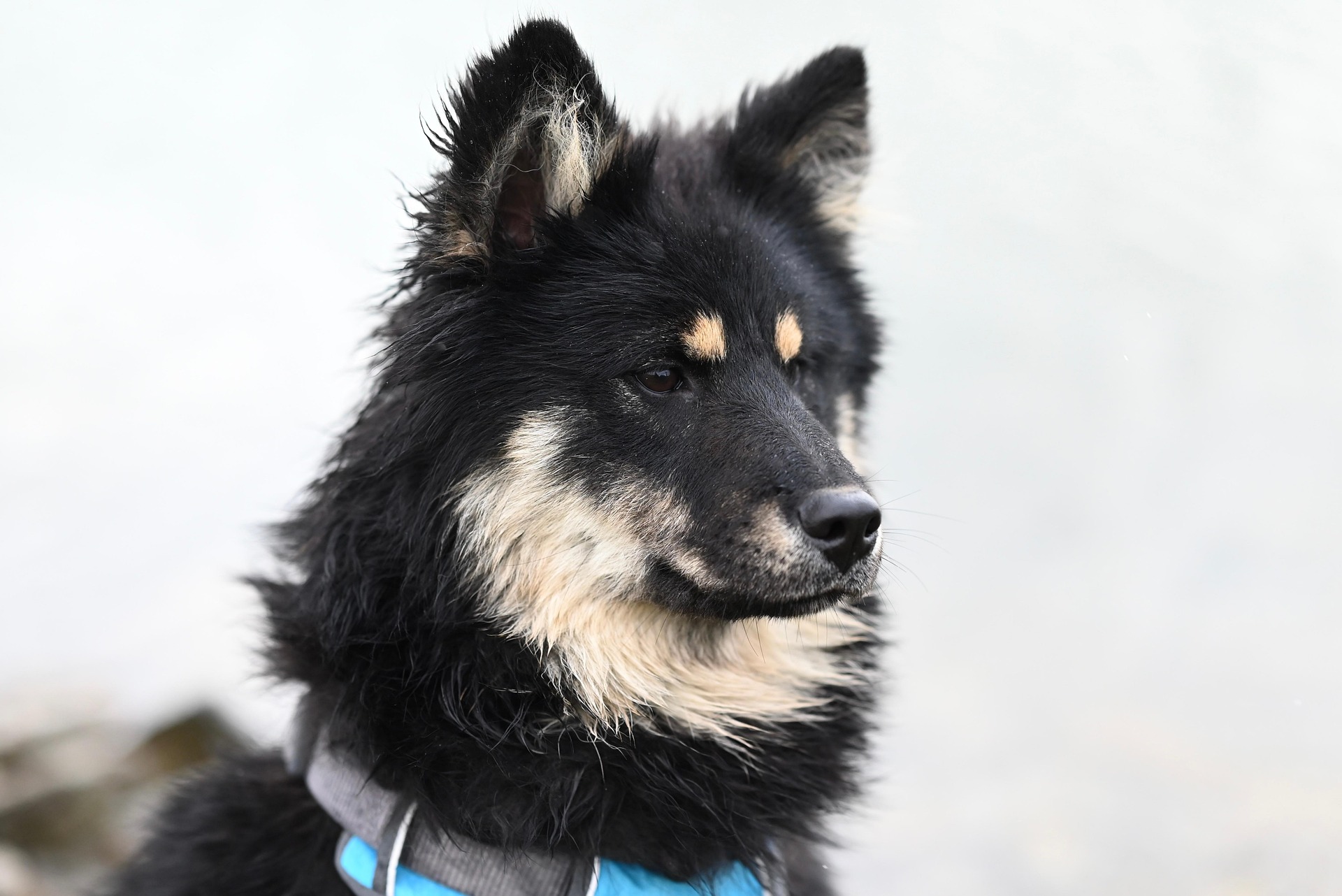
It is a classic, comical image that has been featured in cartoons and movies for generations: a dog catches a glimpse of their own tail, locks their eyes onto it, and begins spinning frantically in tight circles in the middle of the living room rug. Most of the time, they spin so fast that they get dizzy, fall over, and then stand right back up to start chasing it again.
Watching your pet chase their tail can be highly entertaining, funny, and endearing. You might assume your dog is just playing a silly game, burning off some extra morning energy, or that they simply do not realize that their tail is attached to their own body.
Fortunately, occasional tail-chasing is a normal, lighthearted canine habit. However, if the spinning becomes obsessive, frequent, or frantic, it shifts from a funny game into a major warning sign that your dog is experiencing an underlying physical or psychological issue. This guide breaks down the real biological reasons behind tail-chasing, the hidden medical triggers located on a dog’s rear end, and exactly how to help your dog break the loop.
The Top 4 Reasons for Canine Tail-Chasing
Veterinary behaviorists and animal trainers identify four primary culprits behind this spinning behavior:
- Chronic Boredom and a Lack of Mental Enrichment
The most common cause of tail-chasing in healthy adult dogs is a lack of physical exercise and mental stimulation. If a dog is left alone inside a house for hours with no toys to chew or puzzles to solve, they accumulate an immense amount of pent-up energy. Their brain looks for any immediate outlet to release that frustration. The movement of their own tail catches their peripheral vision, triggering their predatory drive to chase and catch moving objects. It gives them a temporary game to play when they have nothing else to do. - Physical Pain, Allergies, or Parasite Irritation
Never assume tail-chasing is purely behavioral until you check your dog for physical discomfort. If a dog has an underlying injury or intense irritation near their rear end, they will spin around frantically to try and bite the area to soothe the pain. Common medical triggers include a flea infestation concentrated at the base of the tail, impacted or infected anal glands that require a vet to express, environmental skin allergies that cause intense itching, or a painful lower spinal injury. - Age-Related Curiosity and Puppy Play
If you brought home a young puppy who is chasing their tail, the cause is usually pure development and curiosity. Puppies explore the world with their mouths and paws. To a two-month-old puppy, their tail looks like a completely separate, moving toy that belongs to someone else. They chase it out of curiosity and play. As they grow older, gain better body awareness, and learn what their limbs are, they naturally outgrow the habit entirely. - Attention-Seeking Behavior Reinforced by Owners
Dogs are incredibly smart animals that learn exactly how to manipulate human actions. If your dog chases their tail once and you laugh, clap your hands, point at them, or talk to them, your dog records that moment in their brain. They realize that spinning equals instant attention from their favorite human. Even if you yell at them to stop, negative attention is still attention to a lonely dog, prompting them to repeat the spinning whenever they want you to look at them.
When Is It an Obsessive-Compulsive Emergency?
While a quick spin once or twice a week is harmless, tail-chasing can cross the line into a severe canine compulsive disorder. Watch your dog closely for these critical warning signs:
- The dog cannot be easily distracted or snapped out of the spinning loop when you call their name or offer a high-value treat.
- The dog spins for hours at a time, ignoring their food bowl, water dish, or the door when it is time for a walk.
- The dog growls aggressively at their tail while spinning, and bites, chews, or pulls the hair out when they catch it, leaving bloody scabs or a raw tail tip.
If your dog shows these obsessive signs, they are experiencing deep neurological stress or severe localized pain that requires an immediate veterinary assessment.
How to Stop and Redirect the Behavior Safely
To help your dog break the spinning habit and protect their tail, implement this daily management routine:
- Increase Their Daily Mental and Physical Activity
Do not let your dog get bored enough to treat their tail like a toy. Increase the length of their daily walks, practice obedience training sessions to tire out their brain, and replace standard food bowls with interactive foraging toys or textured lick mats. A physically and mentally tired dog will choose to sleep on the couch rather than spin on the rug. - Ignore the Spinning Completely
If your dog is chasing their tail to get your attention, you must completely remove the reward. The second your dog starts spinning, turn your back, cross your arms, look up at the ceiling, and become completely silent. Walk out of the room if you have to. The moment they calm down and sit quietly for three seconds, turn around and reward them with praise or a treat. They will quickly learn that spinning makes you disappear, while calm behavior brings rewards. - Use a Gentle Physical Interruption
If the spinning is caused by stress or habit, do not yell at your dog to stop, as your angry voice will increase their anxiety and make them spin faster. Instead, calmly interrupt the loop by tossing a tennis ball across the floor, squeaking a favorite toy in another room, or asking them to perform a basic command like “sit” or “down.” This safely redirects their mouth and brain to a positive task.
Quick Reference for Tail-Chasing Behavior
- Occasional Spinning during play: Normal youthful energy or puppy curiosity. Best response is to redirect them to a structured toy or game.
- Continuous Spinning that cannot be stopped: Active boredom, canine compulsive disorder, or intense stress. Best response is to increase mental enrichment and consult a behaviorist.
- Spinning paired with biting, chewing, or growling at the tail: Fleas, skin allergies, or impacted anal glands. Best response is to check their skin closely and schedule a vet checkup immediately.
© 2026 BffPup. All Rights Reserved.
Disclaimer: The information on PetsFav is for educational and entertainment purposes only. We are not veterinarians, animal behaviorists, or licensed medical professionals. The content on this site is not a substitute for professional veterinary advice, diagnosis, or treatment. Obsessive tail-chasing can be a symptom of severe neurological distress, advanced parasitic infestations, or intense spinal pain. PetsFav will not be held responsible or liable for any injuries, tail damage, or actions taken based on the information provided in our articles. Always consult a qualified veterinarian regarding the specific physical health, behavioral status, or medical needs of your canine companion.