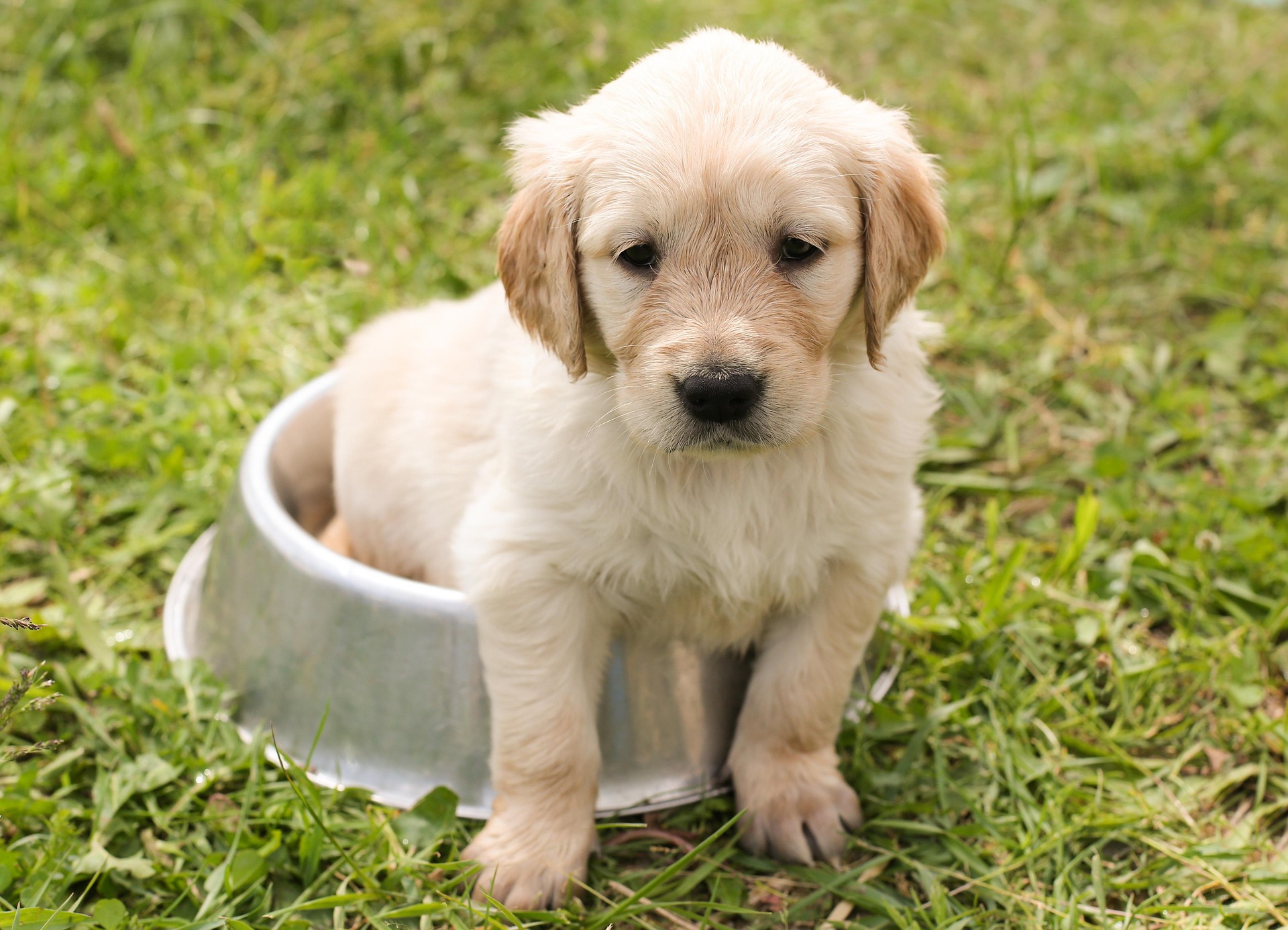
It is a deeply endearing yet highly puzzling experience that almost every puppy parent witnesses multiple times a week: your young puppy is lying quietly after a busy play session or a heavy meal, and their tiny body suddenly begins to shake with a series of rhythmic, involuntary spasms. Each muscle twitch is accompanied by a quiet, high-pitched chirping or clicking sound that causes their entire chest to bounce. Watching your fragile new companion shake with non-stop hiccups can make you feel completely anxious and protective. You might instantly worry that your puppy is experiencing a dangerous respiratory blockage, a sudden cardiac complication, intense internal gas pain, or that they are slowly suffocating due to a lack of oxygen. Fortunately, while frequent hiccups can appear alarming to a first-time owner, these muscle spasms are a completely normal, harmless aspect of early canine development. Because a puppy’s nervous system and internal organs are maturing rapidly, learning to understand the mechanics behind these involuntary movements is the secret to reassuring your peace of mind. This guide breaks down the real biological reasons behind puppy hiccups, how their daily habits trigger diaphragm contractions, and exactly how to soothe your puppy safely at home.
The Top 4 Practical Reasons for Puppy Hiccups
Veterinary internists and animal physiologists identify several key physical and developmental factors that cause a young puppy’s chest to spasm:
- Fast Eating and Swallowing Too Much Excess Air: By far the most common cause of sudden hiccups in young puppies is their frantic eating and drinking habits. Puppies possess an intense predatory drive to consume food quickly, meaning they will often inhale their dry kibble or lap up water from their bowl at lightning speed. This rapid gulping action forces them to swallow massive pockets of cold air directly into their stomach alongside the food, a process known clinically as aerophagia. The sudden presence of this expanding air pocket stretches the stomach lining, which physically presses against the nerves of the adjacent chest cavity, triggering an immediate series of involuntary muscular spasms.
- An Underdeveloped and Highly Sensitive Nervous System: Sometimes, the hiccups are a direct result of simple biological immaturity. A puppy’s brain and central nervous system are growing at an incredible rate, meaning the neural pathways that connect their spinal cord to their vital internal organs are highly sensitive and easily overloaded. The phrenic nerve, which is the specialized highway responsible for controlling the movements of the major breathing muscle, can fire erratic electrical signals from minor everyday triggers. As a puppy experiences sudden bursts of excitement, high-stress changes, or intense play, these sensitive nerves short-circuit temporarily, forcing the chest muscle to twitch rhythmically until the nervous system resets to a calm state.
- Cold Ambient Temperatures and Internal Chilling: Puppies possess a very thin layer of body fat and fine, short fur coats during their first few months of life, making it highly difficult for them to regulate their own internal core body temperature. If a puppy sleeps on a cold hardwood floor, sits near a drafty window, or runs outside in damp winter weather, their core temperature can drop rapidly. This external chilling causes their throat and chest muscles to contract sharply as a survival mechanism to generate rapid kinetic body heat. This sudden physical restriction irritates the breathing pathways, resulting in a prolonged bout of high-pitched hiccups that will continue until the puppy is thoroughly warmed back up.
- Intense Playtime Panting and Aerobic Overexertion: Puppies operate on a high-octane energy cycle, sprinting at maximum speed during play sessions and then crashing into a deep sleep minutes later. During periods of intense physical exertion, running, and wrestling, a puppy will open their mouth wide and pant rapidly to release excess internal body heat. This rapid, shallow style of breathing dries out the lining of their throat and throat tissues while simultaneously creating an irregular, hyperventilating airflow pattern. This constant uneven pressure directly aggravates the main breathing muscle, locking the diaphragm into a temporary cycle of repetitive, sharp spasms.
How to Safely Soothe and Manage a Hiccuping Puppy
To help your puppy find immediate relief from a stubborn bout of spasms, you must handle the situation gently without applying dangerous human scare tactics:
- Offer a Tiny Sip of Something Sweet: If your puppy’s hiccups have been continuing for more than ten minutes, you can safely interrupt the muscle spasm using a tiny amount of natural sugar. Dissolve a tiny half-teaspoon of pure maple syrup, raw honey, or plain white sugar into a small cup of warm water, or rub a drop of the sweet liquid directly onto their gums. The unique tactile sensation and taste trigger a sudden swallowing reflex that instantly overrides the erratic electrical signals traveling down the phrenic nerve, relaxing the diaphragm muscle within seconds. Never use artificial sugar-free sweeteners or xylitol products, as these chemicals are highly toxic to canine systems and cause fatal liver failure.
- Rub Their Chest and Belly in Slow Motions: Place your puppy in a comfortable position on your lap or on a soft blanket and practice gentle physical massage therapy. Use the flat palm of your hand to apply soft, steady, circular pressure directly over their chest cavity and right behind their front legs where the diaphragm sits. This localized physical contact provides immediate counter-pressure to the twitching muscle, drops their baseline heart rate, and calms their overstimulated nervous system, helping the involuntary contractions fade away naturally.
- Transition to a Slow Feeder or Moisten Their Food: If your puppy consistently bursts into a heavy fit of hiccups immediately after every single meal, you must physically force them to slow down their eating speed. Replace their standard stainless steel food dish with a specialized plastic maze bowl or an interactive rubber puzzle toy that forces them to navigate tight ridges to retrieve single pieces of kibble. Additionally, adding a splash of warm water or low-sodium bone broth directly into their dry food softens the texture, preventing them from swallowing large pockets of dry air while eating.
- When to Seek Diagnostic Veterinary Care: Monitor your puppy closely during a hiccup fit to evaluate their overall physical comfort and safety. A standard bout of puppy hiccups is completely benign and will fade away on its own terms within five to fifteen minutes, leaving the puppy completely happy, alert, and active. However, if your puppy’s hiccups continue non-stop for more than several consecutive hours, or if the spasms are accompanied by wet wheezing sounds, chronic coughing, heavy vomiting of thick yellow bile, or pale white gums, your pet is experiencing an underlying medical condition like a severe respiratory infection, asthma, or a physical congenital defect that requires an immediate professional veterinary diagnostic check.
© 2026 bffpup. All Rights Reserved.
Disclaimer: The information on bffpup is for educational and entertainment purposes only. We are not veterinarians, animal behaviorists, or licensed medical professionals. The content on this site is not a substitute for professional veterinary advice, diagnosis, or treatment. Frequent, short-lived hiccups are a normal aspect of juvenile canine growth, but chronic, unyielding diaphragm spasms accompanied by respiratory distress, coughing up blood, or extreme physical weakness point to advanced internal complications that require professional imaging and stabilization. bffpup will not be held responsible or liable for any actions taken based on the information provided in our articles. Always consult a qualified veterinarian regarding the specific physical health, developmental tracking safety, or medical needs of your canine companion.