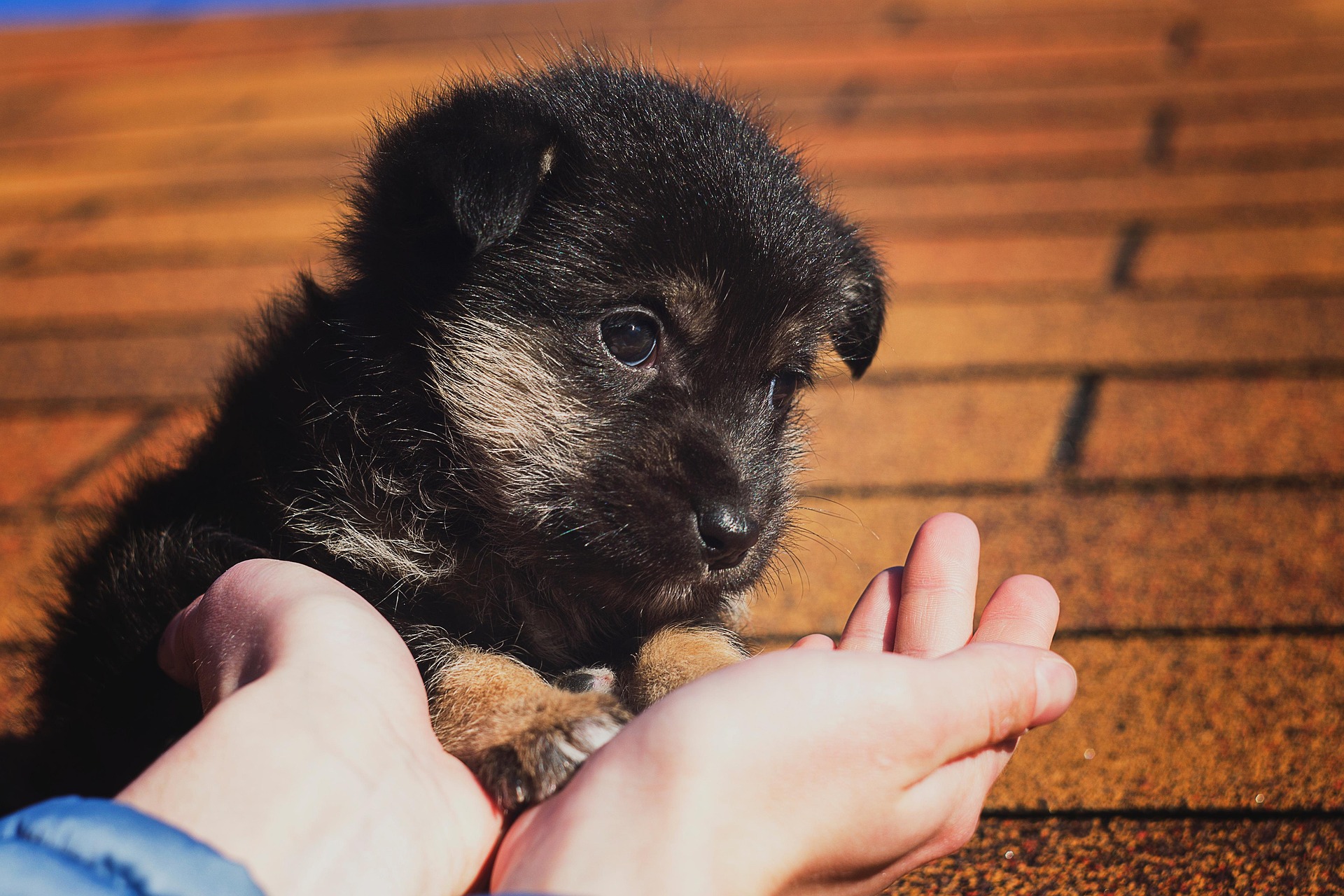
It is a deeply alarming and stressful moment for any pet parent: you are woken up in the middle of the night or early in the morning by the unmistakable, rhythmic hacking sound of your puppy retching. You rush over to find your fragile companion shaking on the floor, throwing up a small puddle of sticky, bright yellow foam or liquid. Watching your beloved puppy experience sudden vomiting can make you feel completely panicked and helpless. You might instantly worry that your dog has swallowed a lethal household chemical, contracted a fatal virus like canine parvovirus, or that they are experiencing a life-threatening intestinal blockage. Fortunately, while any vomiting puppy requires your immediate attention and investigation, throwing up yellow bile is a highly common physical response triggered by a specific gastrointestinal reflex. Because a puppy’s stomach lining is incredibly delicate and their digestive tract operates on a rapid timeline, learning to decode these digestive fluids is the secret to protecting your pet’s wellness. This guide breaks down the real biological reasons behind puppy yellow foam vomiting, the hidden lifestyle habits that cause stomach irritation, and exactly when you need to seek urgent veterinary medical care.
The Top 4 Practical Reasons for Puppy Yellow Foam Vomiting
Veterinary gastroenterologists and emergency medical professionals identify several key physical and environmental factors that cause a puppy’s stomach to fill with yellow fluid:
- Empty Stomach Syndrome or Bilious Vomiting Syndrome: By far the most common cause of early morning yellow foam vomiting in young puppies is an extended period without food, known clinically as bilious vomiting syndrome. When a puppy’s stomach remains completely empty for too long, such as during the long gap between their evening dinner and breakfast, their digestive fluids behave abnormally. Bile, which is a bright yellow-green digestive fluid produced by the liver and stored in the gallbladder, naturally secretes into the small intestine to break down food. If there is no food present to absorb this fluid, the bile can backwash upward through the pyloric valve straight into the empty stomach. This highly acidic fluid severely burns the sensitive stomach lining, triggering an immediate wave of nausea that forces the puppy to vomit the yellow foam to find relief.
- Swallowing Unsafe Foreign Objects and Intestinal Blockages: Puppies explore their environment exclusively using their mouths, making them highly vulnerable to swallowing non-food items. If a puppy chews on and swallows a small household object, such as a piece of string, a clothing button, a small toy fragment, or a stick from the yard, the object can become trapped inside their stomach or intestines. This creates a partial or complete physical blockage that prevents standard digestive flow. Because food and fluids cannot pass smoothly through the gastrointestinal tract, the body reverses the digestive path, causing the puppy to throw up chronic pools of yellow bile and foam as their stomach desperately tries to expel the blockage.
- Sudden Dietary Changes and Inflammatory Food Allergies: A puppy’s digestive tract relies on a delicate balance of natural enzymes and bacteria to process nutrients. If you suddenly switch your puppy’s daily food brand without a proper transition period, or if they consume rich human table scraps, fatty foods, or rotten garbage from the kitchen bin, their stomach will enter a state of acute inflammation. This condition, known as gastroenteritis, causes severe stomach spasms and hyper-secretion of bile. The system rejects the irritating food entirely, resulting in heavy vomiting sessions that quickly shift to pure yellow foam once the stomach has been completely emptied of solid food.
- Active Parasitic Infestations and Infectious Diseases: Sometimes, yellow vomiting is a primary warning sign of an underlying medical crisis or a severe immune system threat. Young puppies possess underdeveloped immune systems and are highly susceptible to tracking microscopic parasites like roundworms, hookworms, and giardia, which burrow into their intestinal linings and cause chronic nausea. Furthermore, throwing up yellow bile can be an early indicator of dangerous, highly contagious canine viruses like parvovirus or kennel cough, which aggressively attack the lining of the digestive system and cause rapid dehydration.
How to Safely Assess and Manage a Vomiting Puppy
To protect your puppy’s delicate digestive system and stop the cycle of nausea, you must manage their environment and feeding routine with absolute care:
- Implement the Short Food Fast Protocol: If your puppy throws up a single pool of yellow foam but continues to display high energy and clear eyes, you must give their irritated stomach lining time to rest. Withhold all solid puppy food for roughly six to twelve hours to allow the active gastric inflammation to subside naturally. Never restrict their access to fresh water during this fast, as puppies can become dangerously dehydrated within hours of vomiting. Offer them tiny sips of water or ice chips every hour to keep them hydrated without bloating their sensitive stomach.
- Transition to a Bland Restoration Diet: Once your puppy has successfully gone six hours without a single vomiting episode, do not immediately feed them their standard hard kibble, as the heavy textures will re-irritate the stomach walls. Instead, cook a simple, highly digestible bland meal consisting of two parts plain boiled white rice and one part plain boiled skinless chicken breast with absolutely no butter, oils, or salt added. Feed this soft bland mixture in tiny portions throughout the day to absorb excess gastric acids safely. Slowly transition back to their regular dog food over a three-day period once their stool returns to a normal consistency.
- Adjust Your Daily Feeding Schedule: If your puppy exclusively throws up yellow foam early in the morning right before breakfast, you can completely cure the condition by shifting their meal times. Divide their daily food volume into smaller, more frequent portions throughout the day, and save one small tablespoon of kibble or a safe dog biscuit to feed them right before they go to bed at night. This late-night snack ensures their stomach has a small amount of food to digest overnight, completely preventing the dangerous buildup and backwash of acidic bile before morning arrives.
- When to Seek Emergency Veterinary Care: Monitor your puppy’s micro-behaviors closely to evaluate the true urgency of the situation. If your puppy throws up yellow foam once or twice but remains alert, playful, and enthusiastic about eating, you can safely manage the issue at home using dietary adjustments. However, if your puppy is vomiting continuously multiple times in a single hour, looks glassy-eyed and completely weak, or if the yellow fluid is accompanied by explosive bloody diarrhea, extreme lethargy, or pale white gums, they are experiencing a major medical emergency and must be rushed to an emergency veterinary hospital immediately for intravenous fluids and diagnostic x-rays.
© 2026 Bffpup. All Rights Reserved.
Disclaimer: The information on Bffpup is for educational and entertainment purposes only. We are not veterinarians, animal behaviorists, or licensed pet medical professionals. The content on this site is not a substitute for professional veterinary advice, diagnosis, or immediate clinical treatment. Sudden or chronic vomiting in a young puppy can be a symptom of life-threatening viral infections, dangerous internal blockages, or acute toxic poisoning that requires professional diagnostic tests and stabilization. Bffpup will not be held responsible or liable for any illnesses, setbacks, or actions taken based on the information provided in our articles. Always consult a qualified veterinarian regarding the specific physical health, nutritional status, or medical needs of your canine companion.